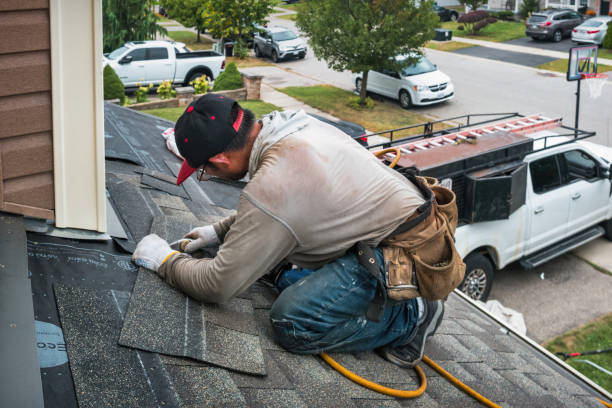
A torn-up roofline after a storm isn't a "get to it next week" problem, and we don't treat it like one — Roof Repair Smedway answers, scopes the damage, and dispatches a crew across Grand Canyon fast.

Nobody on our crew learned Roofing work from a training video. They learned it climbing real roofs in Grand Canyon, AZ, in real weather, on jobs where a wrong call meant a callback.
Every lead technician we send to a Grand Canyon property carries current Grand Canyon, AZ licensing and full insurance, and we'll produce that paperwork before you ask twice.
A roof repair that's "close enough" tends to fail again within a year, usually during the exact storm it was supposed to handle. We don't build that way.

Every lead installer carries current Grand Canyon, AZ credentials.
Storms don't wait for office hours, so our on-call line doesn't either.
Every price is itemized, not eyeballed over the phone.
Crews dispatched from within Grand Canyon, AZ, not another region entirely.
A roof rarely just fails one day — it usually spends months quietly showing signs that get written off as cosmetic.
The earlier one of these signs gets a proper look, the smaller the repair usually stays; waiting rarely makes a roof problem cheaper to fix.
Heavy granule loss usually means the shingles are nearing the end of their service life.
Shingles that curl at the edges have lost flexibility and are more likely to crack in the next windstorm.
Pinpricks of light in the attic are an early, fixable version of what becomes a leak later.
Sagging or soft drywall usually points to sustained moisture, not a single isolated drip.
A slow leak or failing ventilation can quietly drive up cooling costs before you notice the leak itself.
Exposed underlayment is only a temporary barrier — it's not built to handle sustained exposure.
We split our work into specific service lanes because a wind-lifted shingle and a full system replacement need completely different crews and timelines.
Read through the categories and you'll usually recognize your own roof problem in one of them — that's intentional, since we scope calls the same way we've organized this list.
Downed branches, torn flashing, and wind-lifted shingles all fall under our emergency response scope.
Every homeowner gets walked through material options before a decision is made, not after.
Commercial roofs run different membrane systems entirely, and our crews are trained specifically on TPO, EPDM, and modified bitumen.
Material selection is part of the replacement conversation, matched to your climate exposure and budget.
Scheduled maintenance catches loose flashing and clogged valleys before the next storm turns them urgent.
Chimney crickets, skylight seals, and valley flashing are common leak points that general repair crews often miss.

Homeowners tell us the not-knowing is often worse than the repair itself, so we try to remove as much guesswork from the process as we can.
After-hours calls still reach a live line for anything time-sensitive.
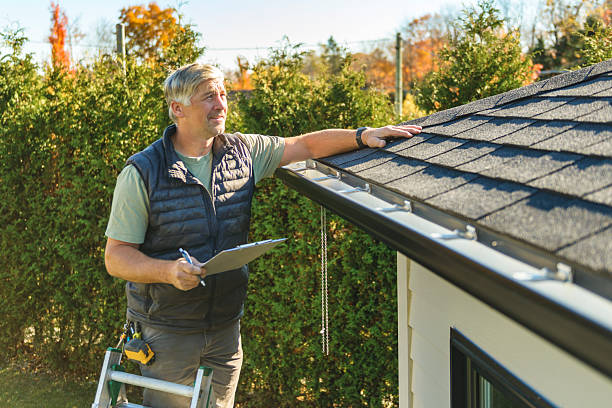
The inspection covers decking, flashing, and ventilation, not just the obvious visible damage.
Every figure is documented in writing — nothing verbal, nothing vague.
A final walkthrough confirms everything matches the agreed scope.
None of these reasons are unique claims in the roofing industry on their own — what matters is that we actually deliver on all of them together, on every Grand Canyon job.
Being local means we're rarely the crew still driving in from somewhere else.
The number you approve in writing is the number on your final invoice, barring an approved scope change.
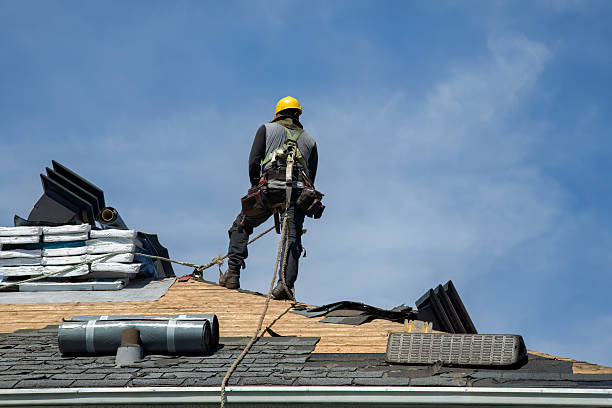
Crews carry moisture meters and proper fall protection on every job site.
If the finished work doesn't match what was agreed, we come back and fix it at no charge.
We're not your insurance company, but we make that part of the process easier.
Our technicians explain their reasoning so you're deciding with full information.

Our guarantee covers our labor specifically: if the completed work doesn't match the agreed scope, we correct it at no extra cost.
We also guarantee the number on your estimate — barring a scope change you approve first, that's the number on your invoice.
None of this is a marketing line — it's how every Grand Canyon job actually gets closed out, warranty paperwork included.
If your address sits just past our standard Grand Canyon radius, dispatch can usually still work something out.
When a storm moves through Grand Canyon, AZ and call volume spikes, active leaks get prioritized first while we communicate realistic wait times for everything else.
Coverage decisions are based on actual drive time from the nearest staged crew, not a fixed distance line on a map.

"Full reroof took three days. Cleanup was better than we expected — not a nail left in the yard."
— Grand Canyon Homeowner
"Our adjuster actually commented on how thorough the documentation was. Made the claim process a lot smoother."
— Grand Canyon Homeowner
"They talked us out of a full replacement we didn't actually need. Repaired the flashing instead."
— Grand Canyon Homeowner
"New ridge vent noticeably dropped our attic temperature. Wasn't expecting that big a difference."
— Grand Canyon Homeowner
"Storm chasers kept knocking on doors after the last big wind event. We called Roof Repair Smedway instead since they're actually local."
— Grand Canyon Homeowner
"Commercial building had a slow roof leak affecting a whole storage room. Their team traced it to a single failed pitch pan and fixed it in one visit."
— Grand Canyon Homeowner
Get a straight answer before any work starts.
Call +1-844-212-9199